
The two-minute explanation
Sublimation turns solid dye into gas, skipping the liquid stage, using heat and pressure. Your kit design is printed in reverse onto transfer paper with sublimation inks, then heat-pressed at around 200°C onto polyester fabric. At that temperature the dye vaporises and the polyester's pores open; the gas bonds into the fibre itself and is sealed inside as it cools.
The result: the design isn't ON the fabric, it's IN it. There is nothing on the surface to crack, peel, or wash away.
Why it beats every alternative for sports kit
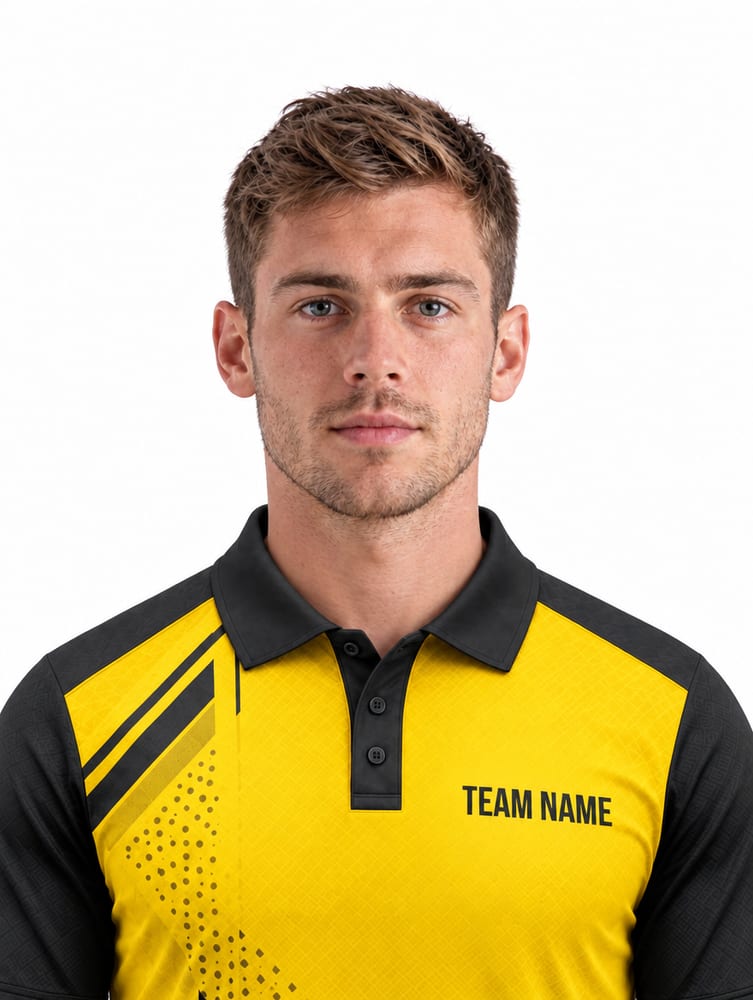
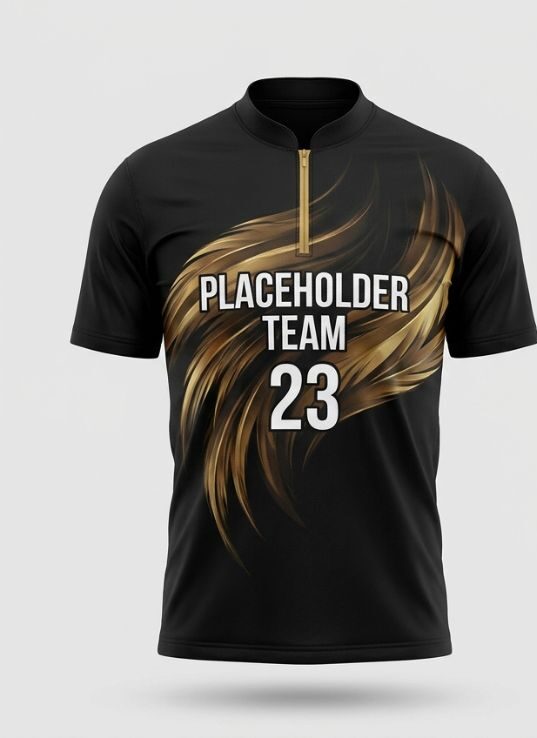
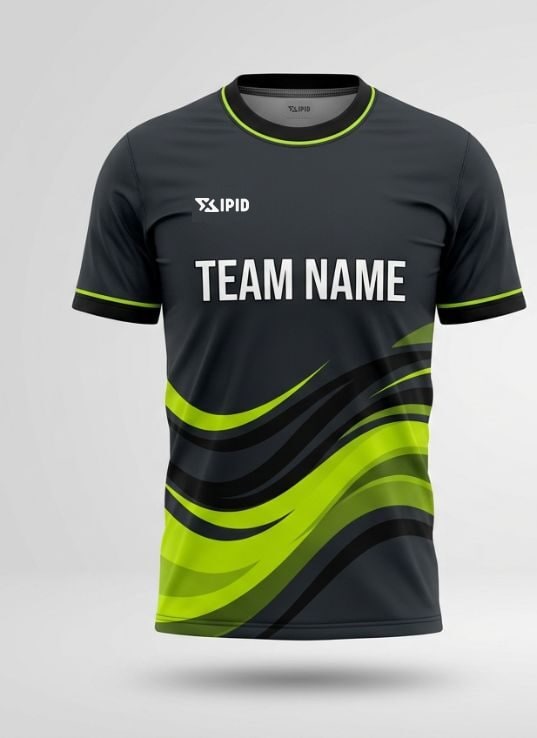
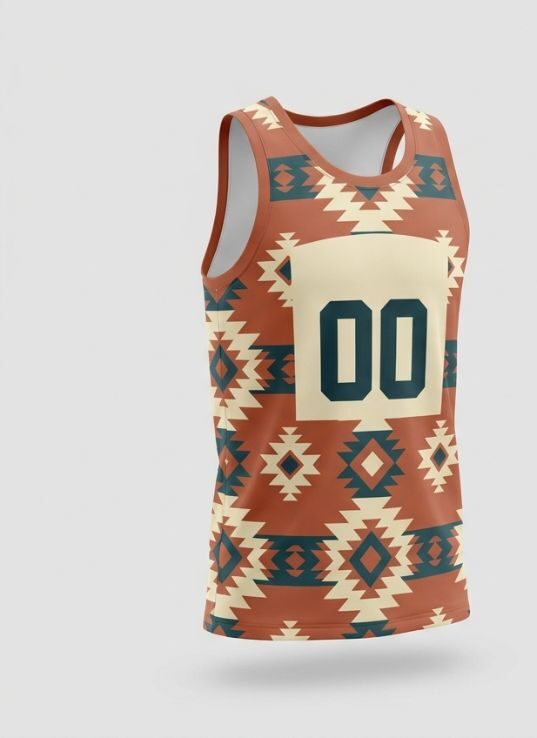
Zero feel: printed areas are exactly as soft and breathable as unprinted fabric, no vinyl patches trapping sweat. Zero weight: a fully-designed shirt weighs the same as a plain one. Zero fade: wash it hundreds of times; the colours were dyed, not applied. Unlimited design: gradients, photos, all-over patterns and twenty sponsor logos cost nothing extra, because it's all one print.
The honest limitations
Sublimation needs polyester (or high-poly blends), it doesn't work on cotton, which is why your fashion tee is screen-printed but your match shirt is sublimated. It also works best on white/light base fabric since dyes are transparent, which is why kits are designed digitally in full colour rather than printed onto pre-coloured shirts.
For raised-texture club crests on hoodies and tracksuits, embroidery still wins, see our embroidered vs sublimated guide.
What this means when you order
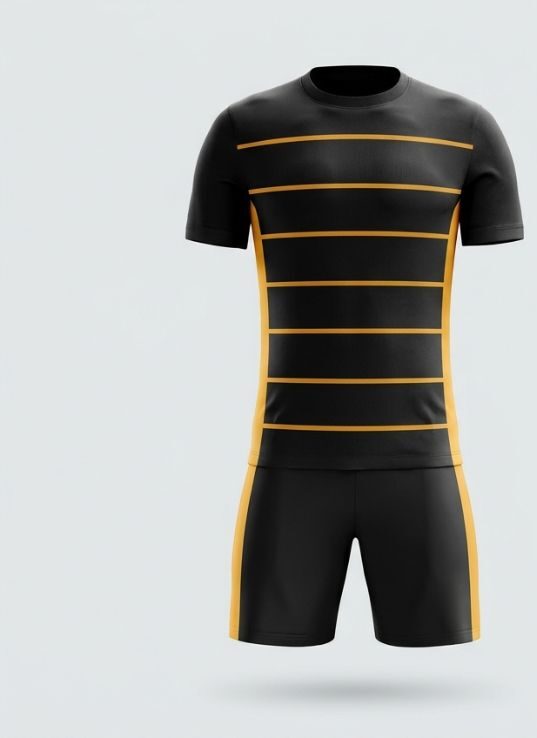
Because every Xipid kit is sublimated to order in our own factory, 'custom' is the default, not an upcharge: your design, any complexity, from one piece. It's also why mockups matter, what you approve on screen is literally what gets dyed into the fabric.