

How sublimation works
Your design is printed onto transfer paper with sublimation inks. The paper is laid on the polyester fabric and pressed under heat and pressure, which turns the ink into a gas that bonds with the polyester fibres. When it cools, the dye is locked inside the fibre.
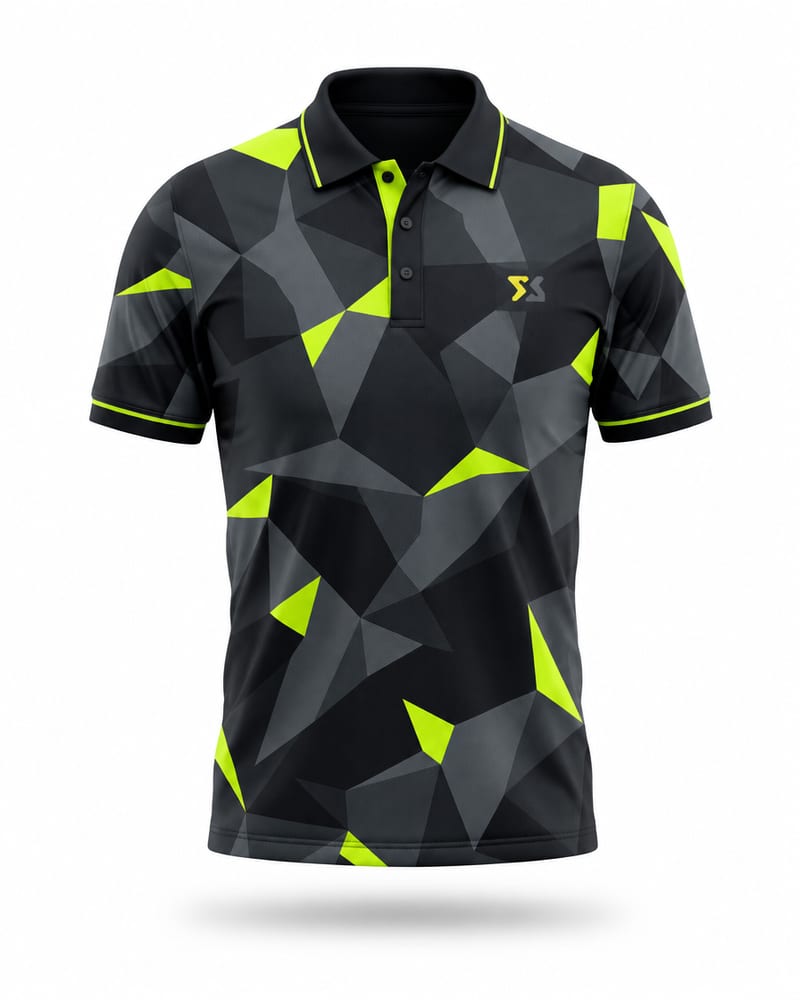
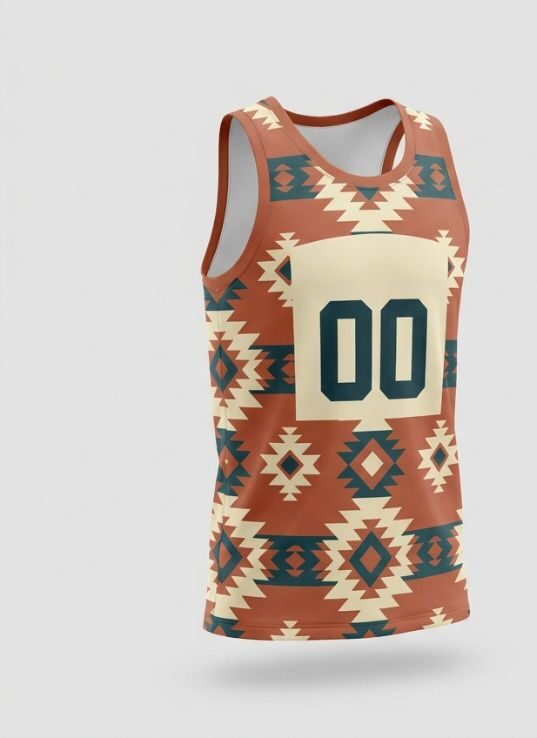
The printed fabric is then cut into panels and sewn into the finished shirt. Because the whole panel is printed before sewing, the design runs edge to edge, across seams and under the arms, with no blank areas.
Sublimation compared with other methods
| Method | How it sits | Durability | Feel |
|---|---|---|---|
| Sublimation | Dyed into the fibre | Permanent, never peels | Soft, breathable |
| Screen print | Ink layer on top | Can crack over time | Ink layer you can feel |
| Vinyl or heat transfer | Film pressed on top | Edges can lift and peel | Thicker, less breathable |
| Embroidery | Thread stitched on | Very durable | Raised, adds weight |
We sublimate every garment. If your club wants an embroidered or printed crest on top of the sublimated design, ask us on WhatsApp and we quote it as an add-on.
What sublimation lets you print
- ✓Unlimited colours at no extra cost: a ten-colour crest costs the same as a one-colour logo.
- ✓Gradients, patterns and photographs that would be impossible or costly with screen print.
- ✓All-over designs edge to edge, including sides and sleeves.
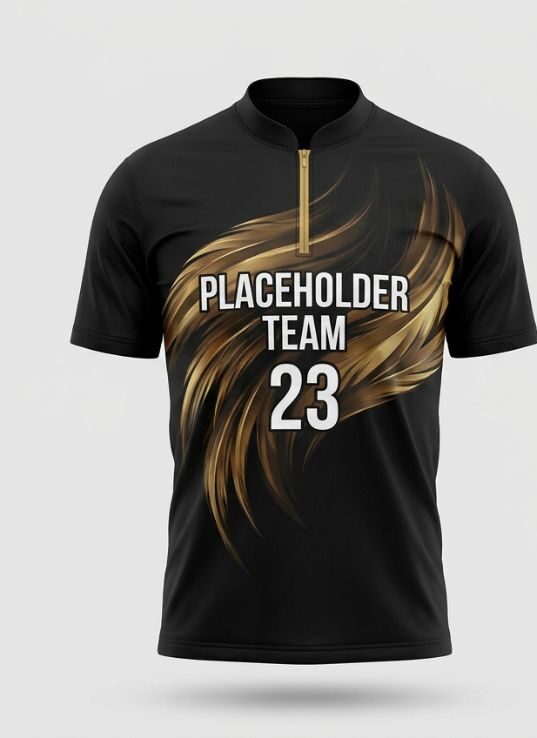
- ✓Every player's name and number in the same process, so there is nothing to peel off later.
- ✓Sponsor logos in full colour, as many as the shirt has room for.
That is why names, numbers and sponsors are included in every price: once a design is sublimated, there is no extra print step for them.
Why it matters for Australian teams
Summer sport in Australia means heat, sweat and sun. A sublimated shirt has no ink film to trap heat or stiffen in the wash, so it breathes as well as the fabric underneath. Our Classic knits are 160 GSM, and the Signature range adds a UPF 50+ and anti-microbial finish; compare them in the jersey fabrics guide.
It also lasts. Kits that are passed down to next season's juniors keep their colours and numbers, because there is nothing on the surface to wear away.
What sublimation needs
- ✓Polyester fabric. Sublimation dye bonds with polyester, which is why every performance knit we use is polyester.
- ✓A light base. The fabric starts white and the design adds every colour, so dark colours are printed, not dyed afterwards.
- ✓A clear design file. Vector logos give the sharpest result, but our designers can work from any clear image for the mockup.
Designing for sublimation
Because colour costs nothing extra, the limits are design ones, not print ones. Keep the crest and sponsors on calm areas of the shirt so they stay readable, use a contrasting panel behind names and numbers, and remember the design wraps across seams, so a stripe can run from the chest under the arm to the back.
If you are starting from scratch, try layouts on a 3D model in Kit Studio, or pick one of 402 ready designs and change the colours. A designer sends a front and back mockup within 24 hours either way, so you see exactly how the sublimated kit will look before anything is made.
Caring for sublimated kit
Wash inside out in cold or warm water with similar colours, skip bleach and fabric softener, and line dry out of direct sun. Don't iron directly on the print. That is all: the colour is in the fibre, so normal washing won't fade it.
Ready to design your kit?
Send your idea on WhatsApp and get a free mockup within 24 hours. No minimum order, pay only after you approve.
FAQ